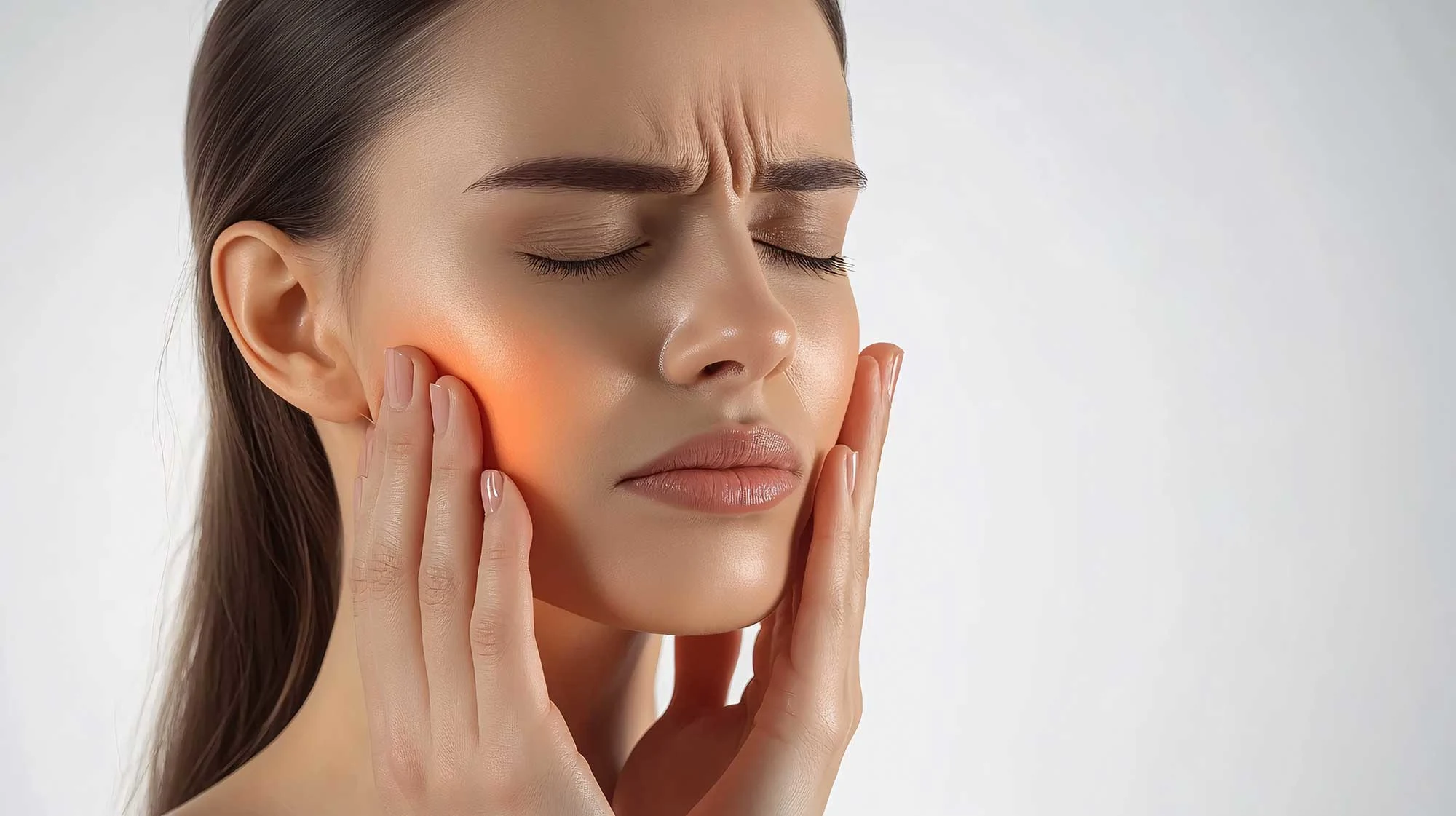
A dental filling is often needed when there is evidence of tooth decay such as a cavity, or to restore a cracked or chipped tooth. Tooth sensitivity can occur as the tooth heals from the procedure, which can last anywhere between a few days to a couple of weeks. The pain can range from dull to sharp and may increase from exposure to hot or cold foods, air, or pressure. However, if the toothache lasts for more than 2 to 4 weeks, becomes more severe, the filling becomes damaged, or there are signs of infection, see your dental professional for proper treatment.
Key Takeaways
- Mild tooth sensitivity after a filling is normal and is usually caused by hot or cold foods, pressure, and the healing process.
- An uneven bite from a tall filling, allergic reaction, or inflamed nerves can lead to additional sensitivity after a dental filling procedure.
- A soft bristled brush head and sensitivity toothpaste can help minimize the discomfort and protect against tooth sensitivity.
- If toothache persists after 2 to 4 weeks, becomes more severe, or there are signs of infection, see your dental professional right away.
Getting a tooth or dental filling is often a common solution to cavities or minor tooth damage such as cracks or a chipped tooth. However, there may be some lingering sensitivity after the procedure is completed. Often, it can be triggered by hot or cold foods and can range in sharpness. Find out what causes a toothache after getting a filling and when it is a cause of concern.
What Causes Tooth Sensitivity After a Filling?
A bit of sensitivity after receiving a dental filling is common. However, if the toothache is severe or persistent, then it may be time to speak to your dental professional.
Common causes of sensitive teeth after a filling include:
Nerve Irritation: During the procedure your dental professional drills into the tooth to remove any decay. This can lead to some nerve inflammation. Once the nerve heals, the sensitivity should go away on its own within a few days to a few weeks.
High or Uneven Bite: Minor sensitivity can occur when biting down after the procedure. However, when the tooth filling is too tall, it can increase pressure when biting, which can lead to additional toothache or sensitivity. If your bite feels off or uneven after the procedure, your dental professional may need to smooth out or adjust the filling.
Pulpitis: Not a regular occurrence during minor fillings; pulpitis is inflammation of the pulp that’s found deep within the tooth. This can lead to pain and sensitivity and may be caused by a cavity where the decay has reached the inner pulp layer of the tooth, if the tooth has undergone multiple fillings, or because of a cracked or broken tooth.
Allergic Reaction: The material used to fill the tooth can cause an allergic reaction in some patients. Nickel, amalgam, and cobalt are examples of filling materials that are most often associated with allergic reactions.
How Long Does Post-Filling Tooth Sensitivity Last?
Sensitivity to temperature, air, and pressure is often mild after a tooth filling and tends to go away on its own. Typically, within a few days to a few weeks as the tooth heals from the procedure.
However, it is time to see your dental professional if the sensitivity:
Lasts more than 2 – 4 weeks.
Gets worse of more severe over time.
Is accompanied by swelling, sharp pain, or signs of an infection.
Tips to Ease Tooth Sensitivity After Filling
If you experience teeth sensitivity after a dental filling, there are steps you can take at home to help minimize the discomfort.
Brush Gently: Applying too much pressure can cause teeth to hurt after cleaning. Look for a soft-bristled toothbrush or brush head to gently clean and opt for an electric toothbrush equipped with a pressure sensor to protect from overbrushing.
Switch to a Sensitivity Toothpaste: Certain toothpastes are formulated to help protect your smile from tooth sensitivity, delivering fast relief when used twice a day for 2 minutes each session.
Avoid Extreme Temperatures: Hot or cold foods and drinks can impact tooth sensitivity.
Chew on the Opposite Side: Avoid applying additional pressure on the side of your mouth where the dental filling was performed to help minimize tooth sensitivity in the area.
When to See a Dental Professional
Though tooth sensitivity after a filling is common, persistent toothache or pain may be a sign of a larger issue. See your dental professional right away if:
The filling needs to be adjusted.
There’s a crack or leak around the filling.
Deeper nerve damage occurs.
Summary
Minor tooth sensitivity after a filling is fairly normal. In most cases, the filled tooth simply needs time to heal and bounce back.
Maintain a thorough oral hygiene routine at home that consists of brushing twice daily and flossing at least once a day. Make sure to use a soft-bristled toothbrush to gently clean the area and introduce a sensitivity toothpaste to your routine to help ease discomfort.
If your discomfort continues to worsen, becomes severe, or the pain persists after several weeks, it’s important to see your dental professional right away.
Oral Hygiene Tips After a Tooth Filling
Protect your smile after any dental procedure by following a complete oral care routine. You can better minimize tooth sensitivity discomfort with the right tools and care.
Switch to an electric toothbrush, such as the Oral-B iO electric toothbrush, which comes equipped with a pressure sensor that helps you avoid overbrushing for a more comfortable brushing experience.
The right toothbrush head, such as the Oral-B iO Gentle Care brush head, contains dentist-inspired soft bristles and optimized bristle patterns that adapt to the curves of the teeth and gums and provide a gentle clean with maximum comfort.
Combine with a sensitivity toothpaste like Crest Pro-Health Sensitive and Gum Toothpaste which creates a shield of protection against food or drink for lasting sensitivity relief within days when used twice daily.
Swish with a multi-protection rinse like Crest Pro-Health Multi-Protection Mouthwash to help reduce plaque and prevent cavities.
To help prevent tooth decay and reduce your risk of developing an infection, floss your teeth at least once daily with Oral-B floss, and make sure you get around every tooth. Pair with an Oral-B water flosser to gently wash away any leftover food particles and debris.
FAQs

Is it normal to have tooth sensitivity or pain after a filling?
Why does my tooth hurt or feel sensitive after getting a filling?
How long should tooth sensitivity last after a filling?
What can I do to relieve tooth pain or sensitivity after a filling?
When should I call my dentist about pain or sensitivity after a filling?
Sources
About Our Medical Reviewers
Tiffany Lovgren, RDH Tiffany Lovgren is a highly experienced Registered Dental Hygienist (RDH) with over two decades of dedicated service in the dental field. A graduate of a Canadian Accredited Private College, Tiffany has built a diverse career working in various areas of dentistry, including periodontics, pedodontics, esthetic dentistry, and independent practice. As an independent dental hygienist, she successfully owned and operated her own dental hygiene clinic, where she provided exceptional patient care and fostered a commitment to oral health education. Tiffany is passionate about promoting dental wellness and has collaborated with the Canadian Dental Hygiene Association (CDHA) and Durham Public Health to educate Canadians on the importance of oral hygiene. Currently, Tiffany serves as the Canadian Scientific Relations Manager for Procter and Gamble, where she leverages her extensive knowledge and expertise to enhance scientific communication between leading professional associations and industry thought leaders. Her work continues to make a significant impact on advancing oral health initiatives across Canada.
Table of Contents